
smart vanity mirror
The Importance of Rebar Plastic Caps in Construction Industry In the world of construction, attention to detail is paramount for safety and durability. One such detail that often goes unnoticed but plays a crucial role is the use of rebar plastic caps. These small, seemingly insignificant components contribute significantly to the overall integrity of concrete structures. Rebar, short for reinforcing bar, is a steel rod or mesh used to reinforce concrete, providing tensile strength to counterbalance the compressive strength of the concrete. However, without proper protection during the pre-construction phase, rebar can be damaged, leading to compromised structural stability. This is where rebar plastic caps come into play. Rebar plastic caps, also known as rebar protectors, are designed to cover the ends of exposed rebar. They are typically made from high-density polyethylene (HDPE) or other durable plastic materials, ensuring resilience against weathering and impact. The primary function of these caps is to prevent damage to the rebar's surface, which could otherwise lead to corrosion, a major concern in concrete construction. During the construction process, rebar is often left protruding from poured concrete, awaiting the next phase of construction. Without protection, these exposed ends can be susceptible to rust, debris, or accidental damage from workers or machinery Without protection, these exposed ends can be susceptible to rust, debris, or accidental damage from workers or machinery Without protection, these exposed ends can be susceptible to rust, debris, or accidental damage from workers or machinery Without protection, these exposed ends can be susceptible to rust, debris, or accidental damage from workers or machinery rebar plastic caps . The rebar plastic caps shield the rebar, maintaining its integrity until it is encased in concrete, thus strengthening the structure. Moreover, rebar plastic caps serve as a safety measure. Uncovered rebar ends pose a tripping hazard on construction sites, while sharp edges can cause injuries to workers. The caps not only prevent accidents but also comply with occupational health and safety regulations, making them an essential component in construction safety protocols. Additionally, these caps are available in various sizes and colors, allowing for easy identification and organization of different rebar sizes. This feature streamlines the construction process, reducing potential errors and increasing efficiency. In conclusion, rebar plastic caps, though seemingly minor, play a vital role in the construction industry. They ensure the longevity and safety of concrete structures by protecting the rebar from damage and providing a safer working environment for construction personnel. As the construction sector continues to evolve, the importance of such innovative and practical solutions, like rebar plastic caps, will only continue to grow.
about
smart vanity mirror
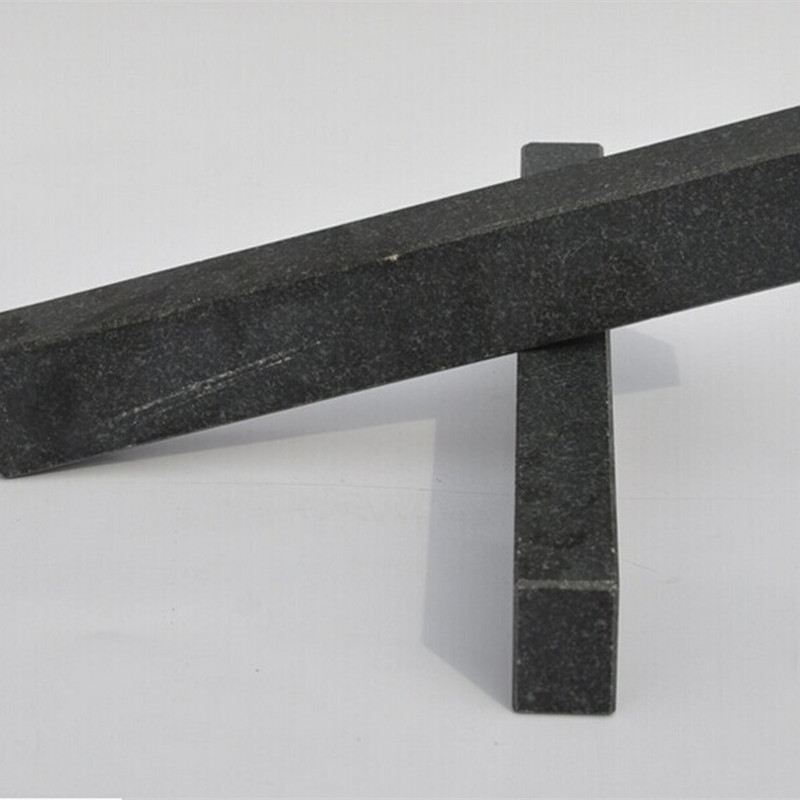
The Precision of Granite Cubes A Deep Dive into Quality and Applications Granite has long been celebrated for its durability and aesthetic appeal, making it a popular choice in construction, sculpture, and various design elements. Among the various forms in which granite is available, the precision granite cube stands out for its unparalleled accuracy and versatility, particularly in industrial applications. What is a Precision Granite Cube? A precision granite cube is a meticulously fabricated block of granite engineered to exhibit high dimensional stability and uniformity. These cubes are used as a reference standard in metrology, which is the science of measurement. Thanks to the inherent physical properties of granite—such as its hardness, resistance to temperature fluctuations, and minimal thermal expansion—precision granite cubes can maintain their shape and size over time. This makes them invaluable tools in manufacturing and engineering, where precision measurement is critical. Manufacturing Process The manufacturing of precision granite cubes requires advanced technology and skilled craftsmanship. The process begins with selecting high-quality granite blocks, which are then carefully inspected for any flaws or inconsistencies. Using specialized machinery, the granite is cut to the desired dimensions, often measuring 100 mm or 200 mm on each side. Following the initial cutting, the cubes undergo grinding and polishing to achieve a remarkably smooth surface finish. This surface quality is essential, as it influences the accurate measurement of various components that come into contact with the cube. Once polished, the cubes are calibrated against known standards using laser interferometry or other advanced measurement techniques. This step ensures that the cubes can serve as reliable references for calibrating other measurement instruments, from micrometers to coordinate measuring machines (CMMs). Applications in Industry precision granite cube Precision granite cubes find a myriad of applications across different sectors. In the manufacturing industry, they are predominantly used for quality control. They serve as a benchmark for inspecting the accuracy of parts produced by machining processes. This capability is crucial, as even the slightest deviation can affect the overall performance of a product, particularly in industries such as aerospace and automotive. Furthermore, precision granite cubes are widely utilized in laboratories for calibration purposes. Their ability to maintain dimensional stability under varying environmental conditions makes them ideal for ensuring that measurement instruments yield accurate results. This application is vital in scientific research, where precise measurements are fundamental to achieving reproducible results. Advantages of Using Granite The use of granite in precision measurement offers several key advantages. First and foremost, granite's natural properties make it highly resistant to wear and deformation. Unlike metals, which may warp over time, granite retains its integrity, providing a long-lasting solution for precision measurement needs. Additionally, granite is not susceptible to rust or corrosion, ensuring that it can be used in a variety of environments without degrading. Moreover, the aesthetic appeal of granite allows it to be utilized not just in industrial settings but also in architectural applications. Many architects and designers opt for precision granite cubes in high-end projects, as they blend functionality with beauty. This trend reflects the increasing demand for materials that are both durable and visually striking. Conclusion In conclusion, precision granite cubes are an essential part of the modern industrial landscape, playing a critical role in ensuring measurement accuracy. Their remarkable properties make them ideal for calibration and quality control across various sectors. As industries continue to prioritize precision and efficiency, the demand for high-quality precision granite cubes is likely to persist, underscoring the value of this timeless material in a rapidly advancing technological world.
-

High quality industrial productsagement

High quality industrial products
View Details -

Meet the diverse needs of customers

Meet the diverse needs of customers
View Details -

Strict quality control

Strict quality control
View Details -

Top raw materials

Top raw materials
View Details -

Trusted supplier

Trusted supplier
View Details
Our application

news and information
Versatile Ground Anchors for Enhanced Stability and Adaptability in Various Applications
The Versatility and Importance of Adjustable Ground Anchors Ground anchors have long been an essenti
Using a Level Ruler for Accurate Measurements and Alignment in DIY Projects
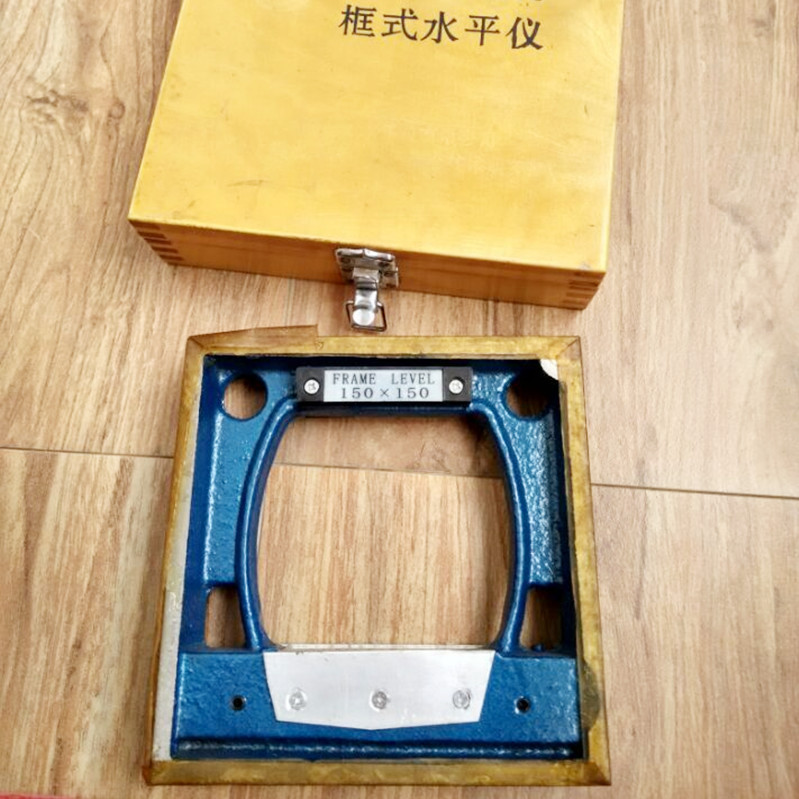
The Importance of a Spirit Level Ruler in Construction and DIY Projects A spirit level ruler is an i
Versatile Wood Connection Brackets for Enhanced Structural Support and Easy Assembly Solutions
The Versatility of Wood Connector Brackets in DIY Projects Wood connector brackets are essential com
 English